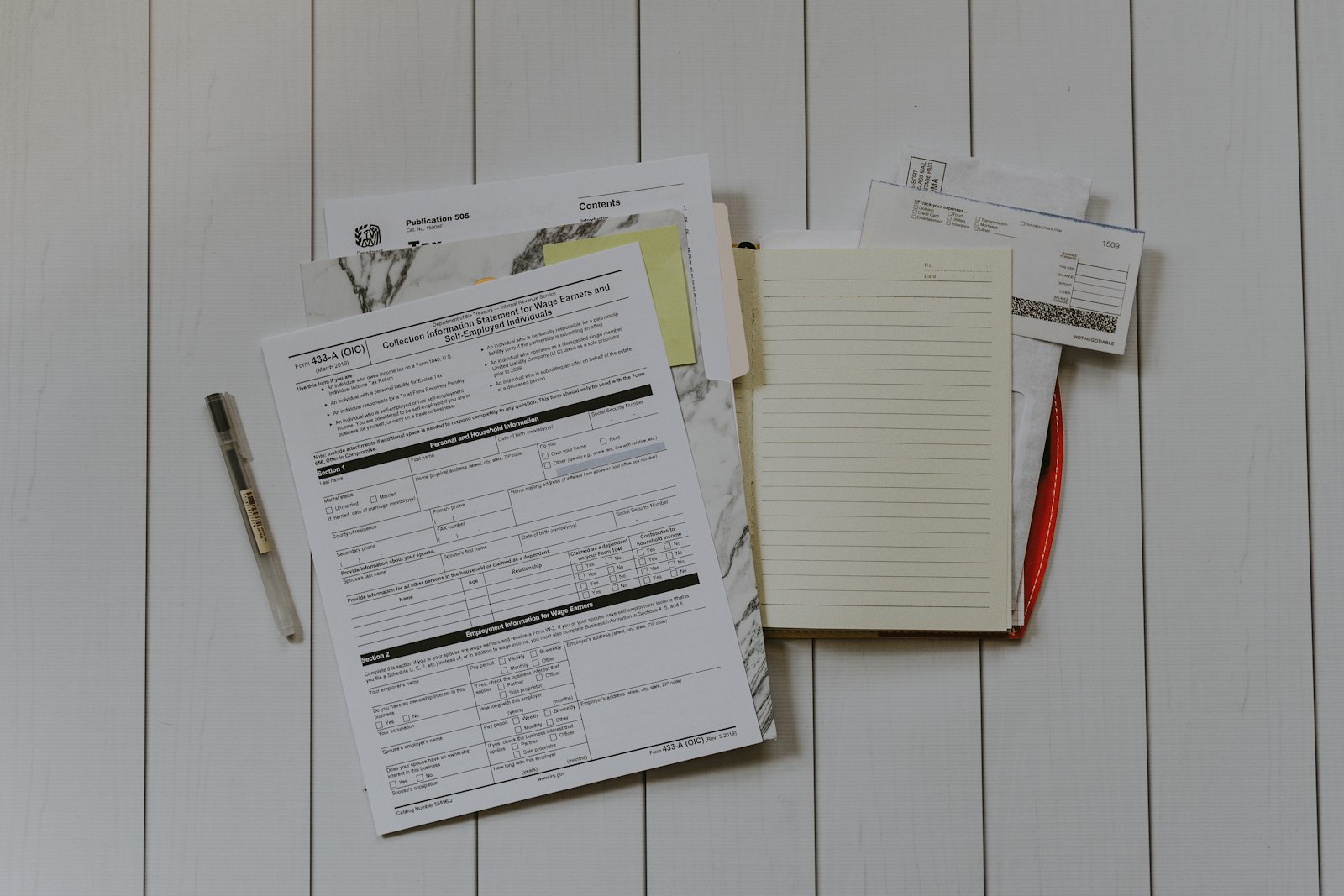
Everything a paid credit repair company does, you have the legal right to do yourself — for free. The Fair Credit Reporting Act, the Fair Debt Collection Practices Act, and the CROA give you every tool you need.
This guide is the same five-step framework our specialists use, written for someone doing it on their own. Block out a few hours, get your reports, and follow it through.
Step 1 — Pull your reports from all three bureaus
Go to AnnualCreditReport.com — the only federally authorized free source. Pull all three reports (Equifax, Experian, TransUnion) at the same time. Don't trust 'free credit report' ads from anywhere else.
Print or save each report as a PDF. You'll be marking them up.
Step 2 — Audit every line for errors
Roughly 1 in 3 Americans has at least one error on their credit report (FTC). Common ones:
- Accounts you don't recognize (possible fraud or mixed file)
- Wrong balances, credit limits, or account numbers
- Late payments you actually made on time
- Collections you already paid still showing unpaid
- Duplicate listings (original creditor + collector both reporting)
- Outdated negative items (over 7 years old, or 10 for Chapter 7)
- Incorrect 'date of first delinquency' on negative items
- Hard inquiries you never authorized
Document everything
Take screenshots, save statements, gather receipts. Every dispute is stronger with proof attached.
Step 3 — File disputes with each bureau
Under the FCRA, each bureau has 30 days to investigate any item you dispute. File separately with each bureau where the error appears — they don't share disputes.
- Equifax — equifax.com/personal/credit-report-services or by mail
- Experian — experian.com/disputes or by mail
- TransUnion — transunion.com/credit-disputes or by mail
Writing a strong dispute letter
- Identify yourself (name, address, DOB, last 4 of SSN)
- Identify the exact item being disputed (account name, account number)
- State precisely what is wrong and why
- Cite the FCRA section: '15 U.S.C. § 1681i requires you to investigate within 30 days.'
- Attach supporting documents (payment records, ID, prior letters)
- Send by certified mail with return receipt — keep every record
Step 4 — Negotiate directly with creditors and collectors
For accurate negative items, disputes alone won't help. You need to negotiate with the company that reported the item.
- Goodwill letter — ask the original creditor to remove a one-off late payment as a courtesy
- Pay-for-delete — offer to pay a collection in exchange for full deletion (get it in writing first)
- Debt validation — demand the collector prove the debt is yours and that they own it
- Settlement — negotiate a reduced lump-sum payoff, ideally with deletion attached
Always get it in writing
A verbal promise to remove an item is worthless once you've paid. No written agreement, no payment.
Step 5 — Build positive credit history
Removing negative items is half the job. The other half is replacing them with on-time positive history.
- Open a secured credit card and use less than 10% of the limit
- Add a credit-builder loan from a credit union
- Become an authorized user on a family member's well-aged card
- Set every account to autopay for at least the minimum
- Pay down revolving balances before the statement date (not just the due date)
- Don't apply for new credit unless you actually need it
DIY vs hiring a specialist
DIY credit repair works — it just takes time. Expect 5–10 hours up front to pull reports, write letters, and mail disputes, then 1–2 hours a month to follow up.
People hire Apex Credit when they're short on time, dealing with stubborn bureaus, or facing complex situations like identity theft, mixed files, or repeated re-aging by collectors. The federal Credit Repair Organizations Act (CROA) is what regulates us — we can't legally do anything you couldn't do yourself, but we do it faster and with more leverage.
Either way, the law is on your side
The FCRA, FDCPA, and CROA exist specifically to give consumers the right to challenge inaccurate or unfair credit reporting. Use them.
Frequently asked
Is credit repair legal?+
Yes. The Credit Repair Organizations Act explicitly recognizes the practice and regulates how paid services can operate. Disputing inaccurate items is a federally protected right under the FCRA.
Can I really do this without paying anyone?+
Absolutely. Every step in this guide is something you can do yourself for the price of certified mail. Paid services exist for convenience and leverage, not because the process requires special access.
How long does DIY credit repair take?+
Most consumers see their first round of deletions within 30–45 days of mailing disputes. Significant score recovery typically takes 6–12 months of consistent work.
Get expert help
Have a specialist fight for your credit.
Apex Credit files disputes, tracks responses, and negotiates with creditors on your behalf — so you can stop reading guides and start seeing results.